A long and winding situation

紆余曲折
u.yo.kyoku.setsu

Literally: crouch – too much – bend – fold / fracture

Alternately: 紆余 refers to something, especially a road, being full of twists and turns. 曲折 similarly refers to something being bent or zig-zag. Put them together and you get a compound that describes an intricately complicated situation; especially a problem or decision that ties into other issues and will take a lot of time and trouble to resolve – if any decision is ever reached at all.

Notes: Replacing 折 with homophone 節 (“node”) is considered an error. However, replacing 紆 with homophone 迂 (“roundabout way”), while rare, is acceptable.

UYoKyokuSetsuBuzz

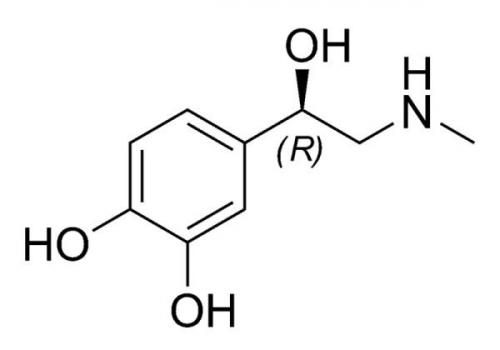
Adrenaline! From this page describing some drama surrounding the discovery of adrenaline… but I like to think that it came up in my image search because 紆余曲折 also describes the shape of the molecule.

Posted in Japanese, Yojijukugo | Tagged , , , , , , | 1 Comment

High fructose corn syrup and lasers!

More mildly, Stevia and sharpened spoons?

口に蜜あり腹に剣あり
(Kuchi ni mitsu ari hara ni ken ari;
Honey in the mouth and a sword in the gut”)

Definition:

Saying things that sound good, but secretly harboring malice or enmity. Honeyed words and ill intent. Using pleasing words to make someone happy and create a sense of closeness while secretly hating them or ultimately meaning to do them harm.

Breakdown:

What we have here is a pair of parallel verb phrases. The first begins with the noun 口 (kuchi), “mouth.” This is followed by the noun 蜜 (mitsu), which denotes sweet fluids such as honey, nectar, molasses, etc. The 蜜 is followed by the verb あり (ari), “to be,” and preceded by the particle に (ni), which marks the mouth as the location in which the nectar bes, so to speak.

The second verb phrase follows the same pattern, with verb あり denoting the existence of noun 剣 (ken), “sword,” and the particle に locating its existence at noun 腹 (hara), “stomach.”

The fun part about the verbs here is that the form they appear in can be either conjunctive or sentence-final. The first one is clearly the former, but the second could be either, depending on whether the overall saying is used on its own or as part of a longer sentence.

Notes:

This comes to us from the Zizhi Tongjian (資治通鑑, in Japanese Shiji tsugan), an 11th-century CE Chinese historiography by famed scholar Sima Guang (司馬光, in Japanese Shiba Kou). Supposedly the phrase was coined to describe Li Linfu (李林甫, Japanese Ri Rinpo), a minister who flattered the emperor while undermining anyone he saw as a rival, to the overall detriment Tang regime that he was supposed to be serving.

Example sentence:

「お世辞に昇進で報いる社長は、直に口に蜜あり、腹に剣ある連中に囲まれ、自分の失脚を招くだろうさ」

(“Oseji ni shoushin de mukuiru shachou wa, jiki ni kuchi ni mitsu ari, hara ni ken aru renchuu ni kakomare, jibun no shikkyaku wo manuku darou sa.”)

[“The company president who rewards flattery with promotions is soon surrounded by those with honey on their tongues and daggers in their hearts, and so invites his or her own downfall.”]

Posted in Japanese, Kotowaza | Tagged , , , , , , , | Leave a comment

Pricier than formula and sunscreen!

(Just a reminder: hi is pronounced like “hee”)

乳母日傘
on.ba.hi.gasa

Literally: milk / breast – mother – sun – umbrella

Alternately: Raising a child with the utmost care. By extension, coddling and excess in child-rearing. Raising hothouse children. From the practices, among wealthy Edo-era families, of hiring wet-nurses and shielding their children from the sun with parasols.

Notes: The latter half may also be pronounced hi.karakasa, apparently due to the association of paper umbrellas with Tang China (唐, Kara). Meanwhile, 乳母 on its own has many acceptable pronunciations, including uba, menoto, or chimo, but in this usage it is only read as onba.

This phrase supposedly comes to us from a late-Edo personal essay collection titled 骨董集 (Kottoushuu), translated into English as Curios.

OnBaRouGasa

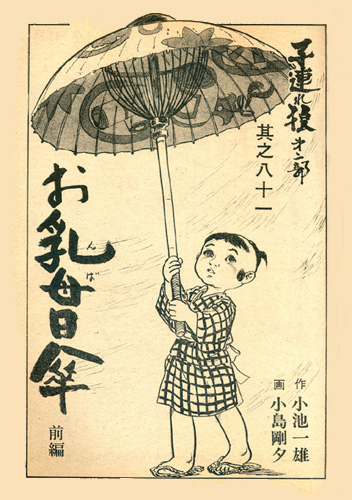
The title of an arc in the Lone Wolf and Cub manga from 1973. Note the honorific お.

Posted in Japanese, Yojijukugo | Tagged , , , , , , , , , | Leave a comment

The best way to be salty

敵に塩を送る
(Teki ni shio wo okuru; “To send your enemy salt”)

Definition:

When an opponent is having some difficulty in distress, to offer aid instead of taking the opportunity to strike. May especially apply if the distress is unrelated to the area in which you’re confronting each other. Being a good sport, an honorable and merciful combatant, etc. Compare and contrast 切磋琢磨.

Breakdown:

We begin with the noun 敵 (teki), “enemy.” The directional particle に (ni) marks this noun as the recipient or destination of the verb 送る (okuru), “to send, “ in sentence-final (or prenominal) form, while the particle を (wo) tells us that the verb’s direct object is the noun 塩 (shio), “salt.”

Notes:

I think I was still in high school when I came across and read the “Perfect Collection” translation of Mai, The Psychic Girl (a relatively obscure manga about people with telekinetic powers). One of the things that struck me at the time, and left a lasting impression, was the fact that one of the early antagonists – a life-or-death foe – later became an ally of the protagonists. The idea of seeing enemies as potential friends seems a very positive and promising one, to me, especially in comparison to our current no-holds-barred, winner-takes all sociopolitical environment.

This saying is attributed to the Sengoku period, when Uesugi Kenshin (上杉謙信) supposedly heard that the Hōjō clan had cut off the salt supply of Kai province (which was ruled by his rival Takeda Shingen (武田信玄) and responded by… sending salt to Kai Province, commenting that he preferred swords over salt as a means of doing battle.

Be careful not to confuse this with “to rub salt in someone’s wounds” — that expression denotes marked cruelty or enmity, while this one indicates marked kindness and understanding.

Example sentence:

敵に塩を送ることは理想的な行為だが、闘気や敵意を抑え、実行することは非常に難しい。

(Teki ni shio wo okuru koto wa risouteki na koui da ga, touki ya tekii wo osae, jikkou suru koto wa hijou ni muzukashii.)

[Offering your hand to an opponent in need is the ideal, but it can be extremely challenging to suppress one’s combativeness or hostility and put that ideal into practice.]

Posted in Japanese, Kotowaza | Tagged , , , , , , | 1 Comment

Helioseismology burp?

日進月歩
ni-.sshin.ge-.ppo

Literally: day – advance – month – walk

Alternately: Steady progress. A relatively smooth and rapid advance, especially of improvement or development in a positive direction.

Notes: This compound has a surprising construction. In general, 日X月Y means something is happening “day by day and month by month.” And 進歩 (shinpo) is “progress.” What’s unusual is that this compound is broken up for its parts to be slotted into the X and Y elements, where most compound-compounds just place two two-character blocks next to each other.

Some people apparently replace 進 with homophone 新, “new,” but this is an error.

NiSshinGePpoKawaii

Illustration from the header of this blog, which seems to be defunct now.

Posted in Japanese, Yojijukugo | Tagged , , , , | Leave a comment

Birds, bugs and beasts; weeds, trees, and flowers

鳥 虫 けもの、臭き花?

草木も眠る丑三つ時
(Kusaki mo nemuru ushi mitsu doki;
“In the dead night, when even the grass and trees sleep”)

Definition:

A phrase describing the hushed, eerie early-morning hours. The dead of night. A time so late that not only people and animals, but even plants are asleep; a witching hour when ghosts and monsters may be out and about.

Breakdown:

We begin with a compounding of the nouns 草 (kusa), often translated as “grass” but also referring to weeds and herbs of about that size, and 木 (ki), “tree.” Combined, kusaki refers to vegetation in general. This compound noun is followed by the emphatic particle も (mo), “even,” and then the verb 眠る (nemuru), “to sleep.” It turns out that this verb is in prenominal form because it is followed by a noun phrase comprising the noun 丑 (ushi), “cow,” number 三つ (mitsu), “three,” and noun 時 (usually toki, here pronounced doki due to the phonetic influence of the preceding words), “time.”

This phrase refers to the third part of the Hour of the Cow in an old, Chinese-zodiac-inspired system of telling the time. Each of the twelve “hours” that made up this system was more or less two of our modern hours long, of course, and divided into four half-hour segments. 丑三つ時 would be the time from about 2:00 to 2:30 in the morning.

Notes:

There’s another idiom about “grass and trees”: 草木も靡く (kusaki mo nabiku), in which nabiku is “bow to” or “obey.” This phrase refers to an authority so great that “Even plants bow down” to it. Crossing the two sayings by adding 丑三つ時 after 靡く is considered an error.

On the other hand, replacing 三つ with homophone 満 (“to be full”) seems to be a rare but acceptable occurrence. (I like to think that this is because it was a popular pun, once upon a time.) On a more prosaic level, it seems that some people replace 時 with 刻 without any change in pronunciation or meaning.

Beginner students should take note that this 三つ is not pronounced like みっつ, with the strengthened consonant, in contrast to most modern usage.

Example sentence:

「大学生の時のバイトは真夜中まであった。草木も眠る丑三つ時に帰ると、不気味ながらも静かで落ち着くこともできた」

(“Daigakusei no toki no baito wa mayonaka made atta. Kusaki mo nemuru ushi mitsu doki ni kaeru to, bukimi nagara mo shizuka de ochitsuku koto mo dekita.”)

[“The part-time job I had as a college student got out in the middle of the night. The way home in the dead of night was kind of eerie, but also quiet and relaxing.”]

Posted in Japanese, Kotowaza | Tagged , , , , , , | Leave a comment

Put some feelings into it!

Also chutzpah. And coriander.

感情移入
kan.jou.i.nyuu

Literally: emotion – feelings – shift – enter

Alternately: Empathy. The ability to sense and share in the feelings of others. Alternatively, the tendency to project one’s own perception of emotions onto a work of art or aspect of nature.

Notes: This compound seems to be taken, and translated, directly from Theodor Lipps’ formulation of Einfühlung.

kanjoueigyou

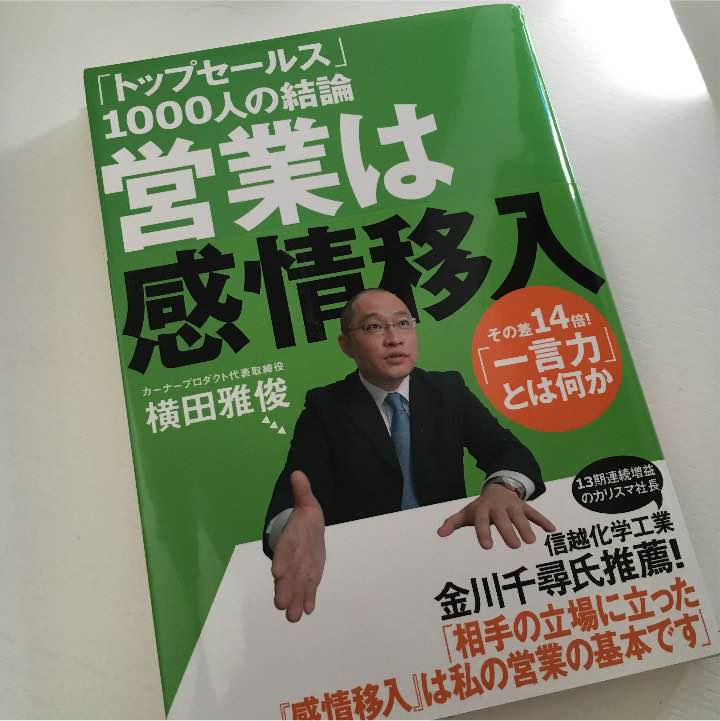
Not just art, but business too, per this Yokota Masatoshi guy.

Posted in Japanese, Yojijukugo | Tagged , , , , , , | Leave a comment

Men, said the Devil

…They don’t want to mend their own ways, but each other’s*

六国を滅ぼす者は六国なり
(Rikkoku wo horobosu mono wa rikkoku nari;
“The one who destroys the six countries, is the six countries”)

Definition:

When a nation falls, it usually isn’t ultimately due to external pressure; rather, internal strife, corruption, and other ills are usually to blame. By extension, in case of a failure, the first place one should look is within oneself instead of jumping to blame outside forces beyond one’s control.

Breakdown:

Let’s start in the grammatical center and work outward, this time. About two-thirds of the way through this phrase we find the particle は (wa), telling us that what comes before it is the topic of conversation and what comes after is the comment on that topic. The noun immediately marked by the particle in this case is 者 (mono), “person,” although as we’ll see this “person” is more of a metaphorical active agent of change than a human individual.

What kind of mono is it? It’s one who does the preceding verb, 滅ぼす (horobosu), “to destroy,” “to overthrow.” The object-marker particle を (wo) in turn tells us that the thing(s) being destroyed is (are) a group of number-noun 六国 (rikkoku), “six countries.”

Meanwhile, the comment comprises the same number-noun 六国, followed by the copula なり (nari) in sentence-final form.

Notes:

First, be careful: the 六国 in this rare saying is properly pronounced rikkoku, and NOT rokkoku, even though typing the former into your computer will likely produce 立国 and the latter is the reading you’d probably expect.

History! The “six countries” in question are 斉 (Sei in Japanese but Qi in transliterated Chinese), 楚 (So, Chu – which we’ve seen before), 燕 (En, Yan), 韓 (Kan, Han), 魏 (Gi, Wei), and 趙 (Chou, Zhao). These plus Qin (秦, Shin in Japanese) are the “Seven Warring States” of Chinese antiquity. Each country fell in turn to Qin, and it seems from this saying that historians blamed each nation’s internal problems rather than shrugging and leaving it at the thought that Qin must have had some overwhelming advantage.

*The title and intro line of this post are taken from the Piet Hein grook “Mankind.”

Example sentence:

「慎君はね、モンハンでよく失敗するんだ。でも、いつも、バグのせいにして文句言うからちょっとうんざりなんだよね」 「六国を滅ぼす者は六国だって気づいてないようだね」 「え… シヴィライゼーションじゃないよ、モンスターハンターだよ」

(“Shin-kun wa ne, MonHan de yoku shippai suru nda. Demo, itsumo, bagu no sei ni shite monku iu kara chotto unzari nan da yo ne.” “Rikkoku wo horobosu mono wa rikkoku datte kidzuitenai you da ne.” “E… Shiviraizeeshon ja nai yo, Monsutaa Hantaa da yo.”)

[“Shin-kun fails a lot in MH, but he always blames it on bugs, I’m kind of fed up with it.” “He must not have realized that a country contains the seeds of its own ruin.” “Eh? … It’s Monster Hunter, not Civilization!”]

Posted in Japanese, Kotowaza | Tagged , , , , , , , , | Leave a comment

No relation to Indian spices

Or to gum!

我武者羅
ga.mu.sha.ra

Literally: oneself – warrior – person – gauze

Alternately: Fixated on a goal to the point of blinding oneself to everything else. Charging ahead without looking to see what else is coming or what lies in one’s wake. Madcap; reckless; frantic.

Notes: This one’s got an interesting etymology. It was originally 我 plus 貪 (musabori, from a verb meaning “to lust after,” “to devour greedily”). Phonetic drift turned gamusabori into gamusha, which kept the 我 and received the ateji 武者. Later on, the suffix ら was added – apparently in its function of expressing a condition or situation – and given its own ateji with 羅. It is therefore not inappropriate that the whole phrase may be found expressed in kana.

This four-character compound may be shortened to three, dropping the final 羅. Amusingly, a reckless person may be called a 我武者者 (gamusha mono).

GaMuShaMonoRa.jpg

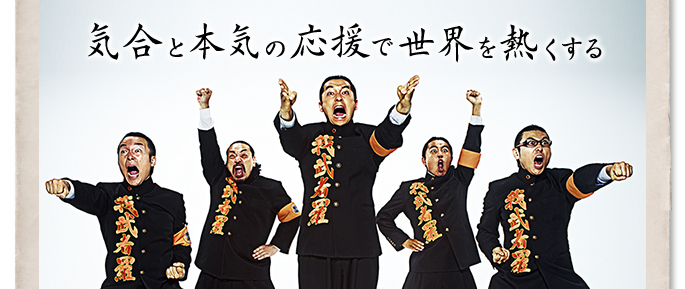
A positive connotation can be found in the name of this pep-squad-themed performance troupe.

Posted in Japanese, Yojijukugo | Tagged , , , , , , , | Leave a comment

When you hand-ear a neck

(Yes, 取 supposedly means “take” because it refers to taking a defeated enemy’s ear as a trophy in battle. So… appropriate?)

鬼の首を取ったよう
(Oni no kubi wo totta you; “As if having taken an oni’s head”)

Definition:

Triumphant or boastful, especially about something that’s not really that big a deal. As proud as if you’d slain a demon or defeated a monster – without having actually accomplished much.

Breakdown:

This adjectival noun phrase begins with the noun 鬼 (oni), a mythical monster somewhere between “really strong person” or “ogre,” all the way up to “demon from one of the Buddhist hells.” A common enemy in old folk-tales. The associative particle の () in its possessive function connects the oni to its 首 (kubi), “neck,” or by extension, “head.” This entire noun phrase is marked by the particle を (wo) as the object of the verb 取る (toru), “to take,” in past tense. It precedes and attaches to the noun よう (you, pronounced to rhyme with “toe”), “appearance,” “form.” Like all adjectival nouns, it will tend to be followed by な (na) and then a noun phrase, に (ni) and then a verb phrase, or by a copula.

Notes:

This phrase apparently comes to us from an early 1711 CE ukiyozoushi called 傾城禁短気 (Keiseikin tanki).

Example sentence:

男の子は鬼の首を取ったような満面の笑みを浮かばせ、慌てて逃げ出そうと全力を尽くすバッタを握っていた。

(Otoko no ko wa oni no kubi wo totta you na manmen no emi wo ukabase, awatete nigedasou to zenryoku wo tsukusu batta wo nigitteita.)

[Clutching a grasshopper that was trying with all its might to escape, the boy was smiling as proudly as if he’d slain an ogre.]

Posted in Japanese, Kotowaza | Tagged , , , , , , | Leave a comment